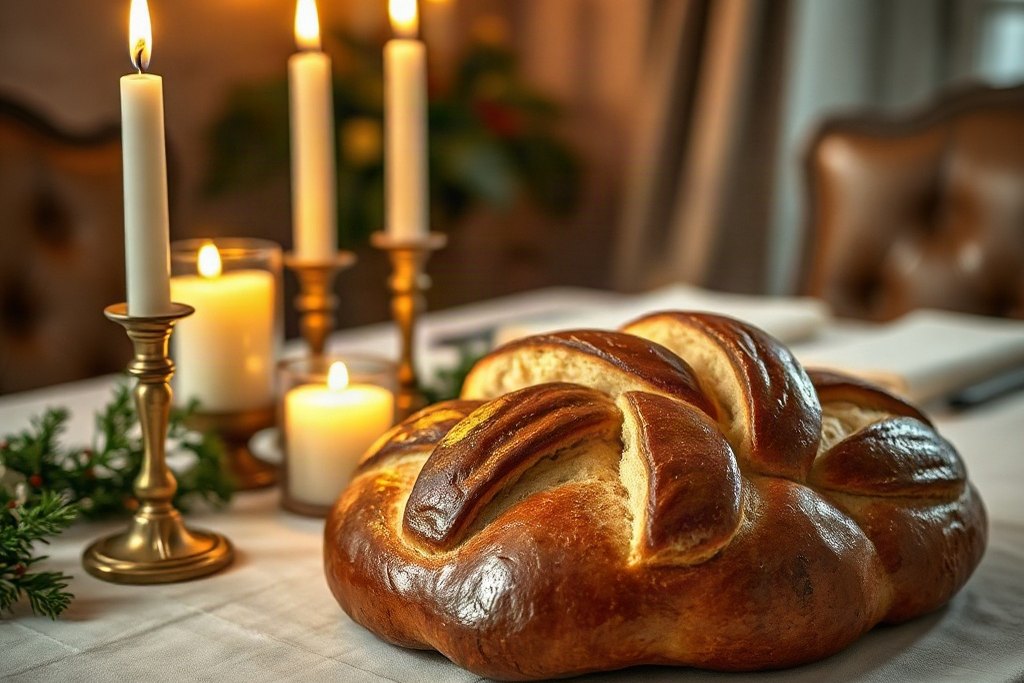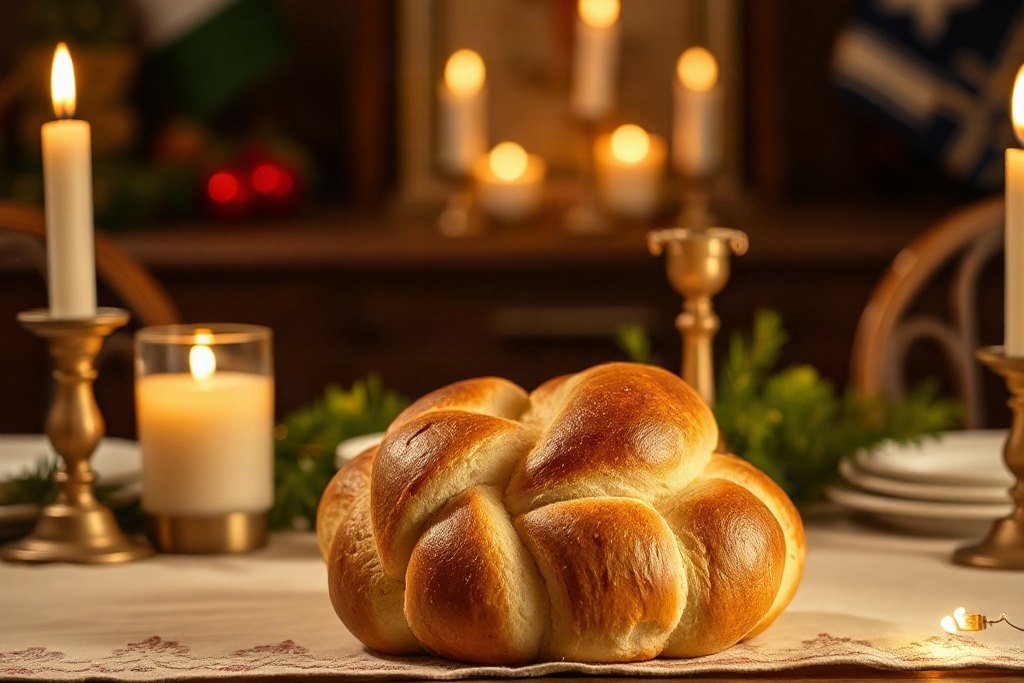
Israel celebrates many holidays, both religious and national. The calendar shapes the rhythm of the whole year — shops close, streets empty or fill, and the smell of holiday baking arrives before the date itself. Here are the most popular holidays and how they are marked.
The High Holidays: Rosh Hashanah and Yom Kippur
Rosh Hashanah, the Jewish New Year, falls in September or October. Families gather for festive meals with apples dipped in honey for a sweet year, and synagogues fill for services that include the sounding of the shofar. Ten days later comes Yom Kippur, the holiest day of the year: a twenty-five hour fast of prayer and reflection. The country genuinely stops — no traffic, no broadcasts, and children ride bicycles down empty highways in one of the most surreal and beautiful sights Israel offers.
Sukkot and Pesach: The Great Pilgrimage Festivals
Sukkot, the Feast of Tabernacles, arrives in early autumn. Families build sukkahs — temporary huts with branches for a roof — in courtyards and on balconies, eating and sometimes sleeping in them for a week to remember the desert wanderings. Pesach, Passover, is celebrated in spring and retells the deliverance from slavery in Egypt: a solemn seder meal, the reading of the Haggadah, and a week without leavened bread, when even supermarket shelves get covered.
Hanukkah and Purim: Light and Laughter
Hanukkah in December is eight nights of lighting the chanukiah, adding one candle each evening to remember the miracle of the Temple oil — plus doughnuts in every bakery window. Purim, in February or March, celebrates the rescue of the Jews of Persia with costumes, parades, gift baskets of sweets and a carnival atmosphere that turns city streets into fancy-dress parties.
National Holidays: Independence Day and Memorial Day
Yom HaZikaron, Memorial Day for fallen soldiers and victims of terror, is observed with a two-minute siren that freezes the entire country standing. It is followed immediately by Yom HaAtzmaut, Independence Day — a deliberate national pivot from grief to joy, marked by barbecues in every park, air shows and fireworks. Experiencing the two days back to back teaches a newcomer more about Israel than a year of reading.
Smaller but Beloved: Lag BaOmer, Tu BiShvat and More
- Lag BaOmer: spring bonfires and outdoor celebrations across the country.
- Tu BiShvat: the "New Year of the Trees," marked by planting and eating dried fruits.
- Shavuot: all-night study and an national excuse for cheesecake.
- Yom Yerushalayim: commemorating the reunification of Jerusalem.
| Holiday | Season | How it is marked |
|---|---|---|
| Rosh Hashanah and Yom Kippur | September–October | Family meals, shofar, a national fast |
| Sukkot and Pesach | Autumn and spring | Huts on balconies, seder night |
| Hanukkah and Purim | Winter | Candles, costumes, doughnuts |
| Yom HaZikaron and Yom HaAtzmaut | Spring | Sirens, then barbecues and fireworks |
Why the Calendar Matters for Newcomers
These are just examples — each holiday carries its own history and traditions, making Israel's culture varied and endlessly interesting. For a new oleh the practical advice is simple: accept every invitation. A seder with a neighbor's family or a sukkah dinner under a leaky branch roof explains the country better than any guidebook, and it is usually where new immigrants first feel they belong.
The Holidays Nobody Warned You About
Beyond the famous dates, newcomers meet smaller celebrations that quietly colonize the heart: Mimouna, the Moroccan feast at the end of Passover, when strangers open their homes to anyone; Yom HaAliyah, marking immigration itself; Sigd of the Ethiopian community on a Jerusalem hilltop. Israel's calendar is not one tradition but dozens, carried here from every diaspora and slowly shared. Learning the year through its holidays is learning the country through its people — and it is the most pleasant curriculum aliyah offers.
Before long you will find yourself counting the year not by months but by holidays — and that is when the calendar has truly become yours.