Judaism is one of the oldest religions in the world, and its traditions are deeply rooted in both faith and daily culture. Observing them — even partially, even as a newcomer watching from the side — is the fastest way to understand the rhythm of Jewish life in Israel. Here are the main traditions honoured by observant Jews.
Shabbat (Sabbath)
Shabbat is the crown of the Jewish week, and in Israel you feel it even if you do not observe it yourself.
- Celebration. Shabbat begins on Friday evening at sunset and ends on Saturday evening with the appearance of three stars in the sky. It opens with prayer and the lighting of candles.
- Rest. During this time any kind of work is set aside, and Jews devote the day to family, prayer and rest.
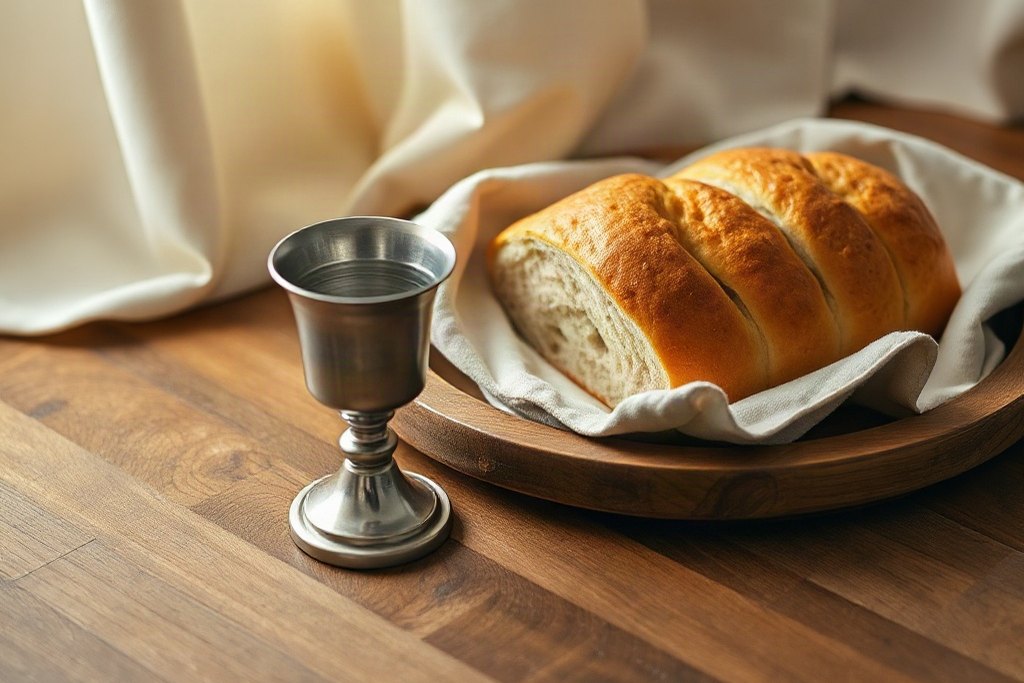
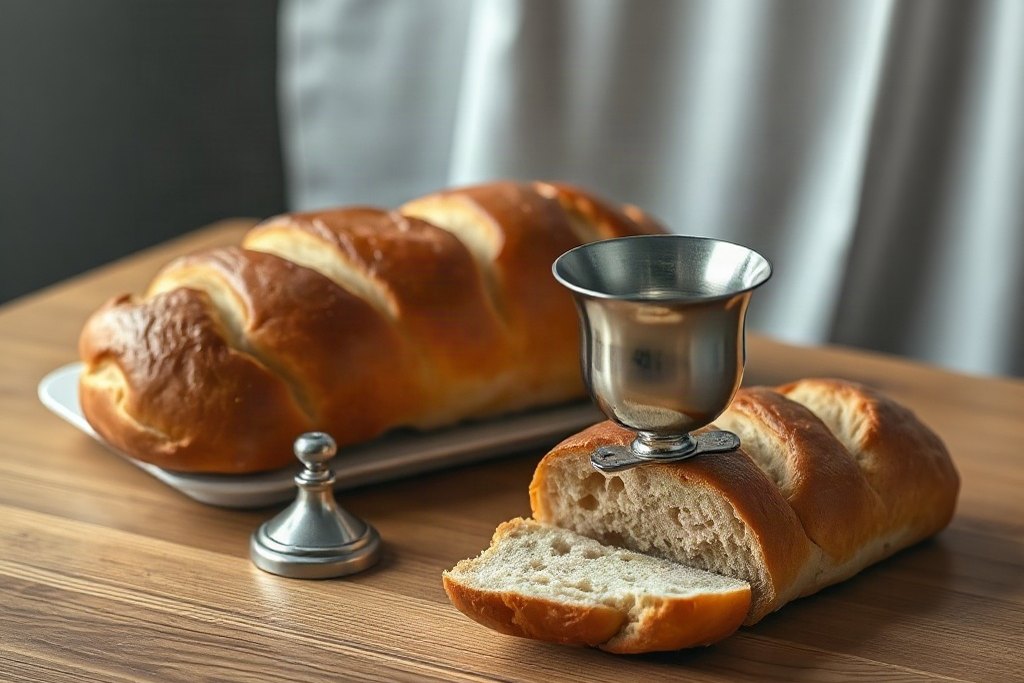
- Special meals. Traditional foods such as challah (sweet braided bread) and wine for kiddush (consecration) are part of every Shabbat table.
The Cycle of Jewish Holidays
- Passover. Celebrates the exodus from Egypt; for a week no leavened food is eaten, and matzah takes the place of bread.
- Hanukkah. The Festival of Lights, lasting eight days; candles are lit on a chanukiah, and latkes and sufganiyot (doughnuts) are eaten.
- Rosh Hashanah. The Jewish New Year, a time for reflection and repentance; apples dipped in honey symbolize a sweet year.
- Yom Kippur. The Day of Atonement, the holiest day of the year, marked by 25 hours of fasting and prayer.
Life-Cycle Traditions
- Brit milah. The circumcision rite performed on the eighth day after the birth of a boy, symbolizing the covenant between God and Abraham.
- Bar and bat mitzvah. At age 13 for boys and 12 for girls, the transition to religious and social responsibility is celebrated with a first public reading from the Torah and a family celebration.
Kashrut: The Kosher Rules
Observant Jews follow dietary laws that prohibit pork, shellfish and other non-kosher foods, and require a complete separation of meat and dairy — different dishes, different sinks, and a waiting period between them. In Israel, kosher certification shapes restaurant life, workplace canteens and even hotel breakfast buffets, so newcomers encounter kashrut constantly, whether or not they keep it.
Prayer and Its Garments
During morning prayer, men (and in some communities, women) wear tefillin — small leather boxes containing biblical verses, bound to the arm and forehead — and a tallit, the fringed prayer shawl. These traditions and rituals play a central role in Jewish life, helping to preserve the cultural and religious identity of the people across centuries and diasporas.
The Restrictions of Shabbat
The day of rest comes with a detailed set of restrictions designed to free it from work entirely. The main categories of prohibited work, called melachot, are derived from the activities once required to build the Tabernacle in the desert:
- Fire and electricity. Lighting a fire — and by extension switching electrical appliances on and off — is forbidden; many households use timers that handle lights automatically.
- Cooking. Food is cooked before Shabbat begins, and special warming plates keep it hot without active cooking.
- Travelling. Observant Jews avoid using vehicles and walk to synagogue and to each other's homes instead.
- Writing, handling money and business. All set aside until three stars appear on Saturday night.
| Tradition | What it involves | When |
|---|---|---|
| Shabbat | Rest, candles, family meals, no work | Friday sunset to Saturday night |
| Kashrut | Kosher food, separation of meat and dairy | Daily |
| Brit milah | Covenant ceremony for newborn boys | Eighth day of life |
| Bar and bat mitzvah | Coming-of-age reading and celebration | Age 12–13 |
For a new immigrant, none of this needs to be adopted all at once — but understanding these customs transforms everyday moments: the quiet streets on Saturday, the covered supermarket shelves at Passover, the candles in every window in December. Traditions here are not museum pieces; they are the operating system of the week, the year and the life cycle.
One more tradition deserves mention: hospitality. From Abraham's open tent onward, welcoming guests is itself a commandment — and any oleh who has been pulled to a Shabbat table by near-strangers will confirm it is alive and well.